


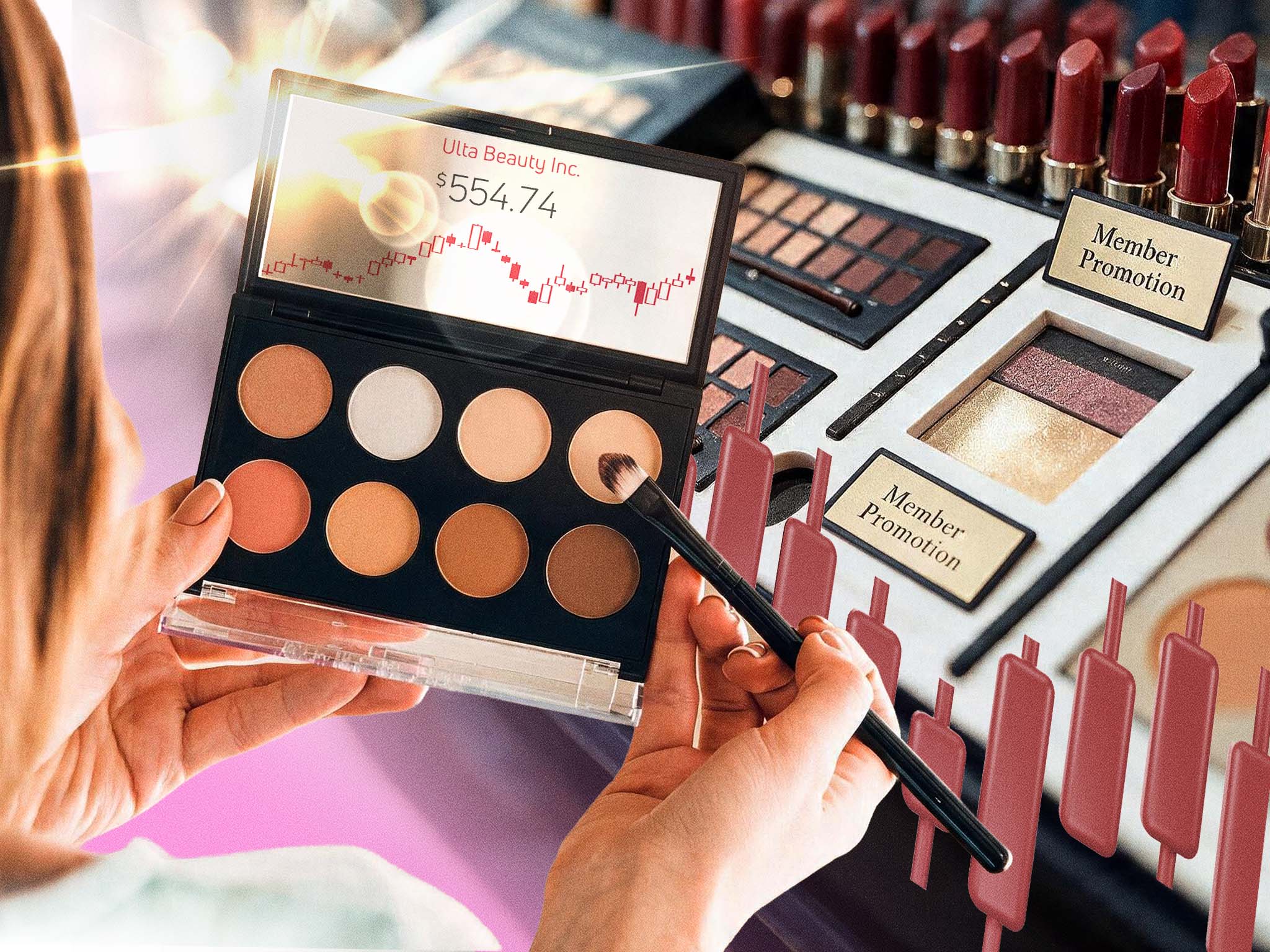


Ulta Beauty’s (NASDAQ: ULTA) slate of loyal customers keeps coming back to stock up on cosmetics, hair care products and perfume due to the retailer’s enticing promotions and in-store experiences.
The U.S. company’s strategy has led to Ulta attracting 47 million members to its loyalty program, which grew membership by 3% in the second quarter.
Shoppers find both the company’s online presence and experiences at its 1,500 brick-and-mortar stores in the U.S. appealing despite economic pressures that have impacted their budgets.
Ulta reported healthy second quarter results as same-store sales rose by 3.8% while net sales grew by 8.9% to $3 billion. The increase was due to higher comparable sales, the acquisition of Space NK and sales from new stores.
The fragrance, hair care and cosmetics retailer reported a profit of $282 million, compared with $260.9 million a year ago.
Management increased its guidance for 2026 after revenue grew and beat estimates by Wall Street analysts. The company estimates revenue to rise by 6.7% to 7.2% this year compared with a prior range of 6% to 7%. Ulta also expects comparable sales growth of 3.2% to 3.7% compared to its prior estimate of between 2.5% to 3.5%.
Shares of the stock have only grown by 1.3% during the past year, but surged by 5% during the past month.
Consumers felt more confident about their economic prospects in July as sentiment rose by 12%, according to the monthly index compiled by the University of Michigan.
Loyalty and promotion programs attract customers
Ulta’s loyalty members generate nearly all of the company’s revenue.
“Ninety-five percent of every dollar that comes through the company is coming from [Ulta Beauty Rewards] members,” said Kelly Mahoney, Ulta Beauty interim CMO and senior vice president of customer and growth marketing, according to a Glossy article in 2025. “Our vision is you come into the program and realize value quickly, and then you’re hooked because you love the perks and the benefits.”
Ulta’s marketing strategy has won over many customers who not only are drawn to its promotional events, but also appreciate its experiences at its brick-and-mortar stores.
Discounts and specials are just one of the methods used by executives to encourage consumers to buy their makeup, perfume and hair products. The company currently offers a wide variety of benefits to its loyal shoppers, including early access to its well-known 21 Days of Beauty sale, rewards for birthdays, offers at its in-store events and providing samples and full-size free gifts.
Personalizing its promotions is what led to the company increasing its loyalty members, CEO Kecia Steelman said during its earnings call.
“It’s not just about a promo,” she said. “It’s about how we are activating it in store with experience and being really thoughtful in how we’re bringing the brands to life.”
The stores offer makeup tutorials and other events frequently which bring in customers more often. Ulta’s salons offer more than hair cuts, color and blowouts, but also waxing, makeup applications, eyelash applications and extensions, brow shaping and tinting and even ear piercing.
The company said it has increased its market share of selling fragrance which was achieved through online experiences online, at its stores and its marketing campaigns.
Fulfillment also played a major factor in boosting Ulta’s sales. The company filled and delivered orders faster and used various artificial intelligence upgrades to achieve the goal, Steelman said.
Ulta’s shopping agent on its website was able to produce “meaningful increases” to higher traffic online and also increasing conversion rates, she added. The company also launched its TikTok Shop in March to attract younger customers and added more brands, such as Korean beauty companies.
“As consumers increasingly turn to AI for search and discovery, we have scaled content creation and enriched product information across AI platforms like OpenAI’s ChatGPT, positioning Ulta Beauty as an authority of source for beauty discovery, inspiration and expertise,” Steelman said.
Ulta’s strengths include its loyalty program, targeted marketing and a “broad selection of prestige products” that provide an advantage, wrote David Swartz, a senior equity analyst for Morningstar.
“We think Ulta Beauty’s brand strength provides a narrow moat and has allowed the company to thrive despite economic conditions and other external challenges,” he added.
The company’s market share in the U.S. has risen to 36.4% in 2025 from just 12.8% in 2012, according to data from Euromonitor.
In 2025, the company added 60 stand-alone stores in the U.S. and is expanding its website which draws in 20% of revenue. Additional revenue growth will be generated from its acquisition of UK-based beauty retail Space NK and future plans to open stores with its partners in Mexico and the Middle East, he added.
Ulta can appeal to more customers in the U.S. by “using customer data in promotion and merchandising and increasing its share of premium products,” Swartz said. “It is also opening smaller formal stores in less populated areas.”
“While the firm faces intense competition and is affected by innovation and product cycles in cosmetics, we think it has developed a following that has allowed it to take share from mall-based stores while competing effectively against wide-moat Amazon and other e-commerce,” he said.
Ulta competes with Sephora, which has been owned by French luxury brand LVMH since 1997. But Sephora caters to a crowd that wants higher priced prestigious brands, especially for skin care, hair care and fragrance products.
Sephora also has a slightly larger footprint with a total of 3,400 stores globally in 37 markets, including 700 U.S. stores in shopping malls and in retailers such as Kohl’s (NYSE: KSS), according to an article in Retail Dive. Through the first half of the year, Sephora has opened 75 new stores and added new markets such as Croatia and Belgium, according to a company report.
Ulta’s customers shop at its stores often because they enjoy being able to test out skin care, cosmetics and fragrance products, receive free samples and attend events. The company’s popularity and revenue will both continue to grow as its product selection expands.


Comments